



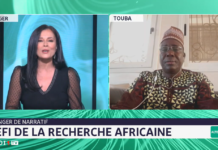
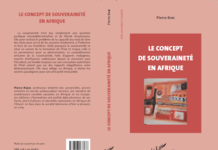

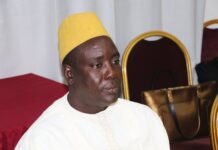



Lieu : Virtual session via ZoomSpeakers :Pr. Moustapha Kassé, Honorary Dean of FASEG (UCAD)Dr. Chérif Salif Sy, Director of the Third World Forum (FTM)Moderator : Dr. Alioune Sall, Executive Director of the African Futures InstituteParticipate in the meeting Zoomhttps://us02web.zoom.us/j/85014321317…ID meeting code : 850 1432 1317Secret code : 187595IntroductionThis year, 2020, marks the 60th anniversary of the « independence » of most African countries. It is an opportunity to assess the record of these countries over these six decades. A look back shows that this record remains mixed for the continent as a whole. The Covid-19 pandemic has exposed the failure of the ‘development’ policies followed by most African countries.Extraverted economiesOne of the explanatory factors of this failure is the nature of the model adopted by these countries. It is an extroverted model, exemplified by economies that are closely linked to those of the former metropolises and dominated by commodity exports. Moreover, for more than six decades, external forces, bilateral or multilateral ‘development partners’, have defined Africa’s ‘development’ policies. It was noted that whenever Africans themselves took the initiative to propose their own agenda, the World Bank, the IMF, the European Union, the United States, among others, tried to undermine these initiatives. This explains the failures of the Lagos Plan of Action (LPA), the Abuja Treaty, as well as other experiments at the continental or regional level.The failure of the neo-liberal paradigmThese external influences, particularly those of the international financial institutions, have accentuated the extroverted nature of African economies by imposing an export-led ‘development’ model. The failure of this model is illustrated above all by the tragedy of African youth, both in terms of training and integration into working life, as shown by the tragedies linked to so-called « illegal » emigration.Another consequence of the failure of this « development » model is the dismantling of the state inherited from colonisation, through the structural adjustment programmes imposed by the World Bank and the IMF. The failure of the neoliberal model and the failures of past experiences have prompted the African Union to propose a programme to transform Africa by 2063. But will Agenda 2063 be able to free itself from the influence of mainstream thinking and lead to self-centred development of the continent? Only time will tellAgenda10:30-10:45: Opening of the Zoom and welcome of participants10:45-11:00: Words of welcome (ARCADE)11:00-11:15: Introduction of the moderator, Dr. Alioune Sall11:15-12:00: Presentations by Prof. M. Kassé and Dr. CS Sy12:00-13:00: Debates13:00-13:30: Reactions of Prof. Kassé and Dr. Sy13:30-13:45: Summary & conclusion of the moderator